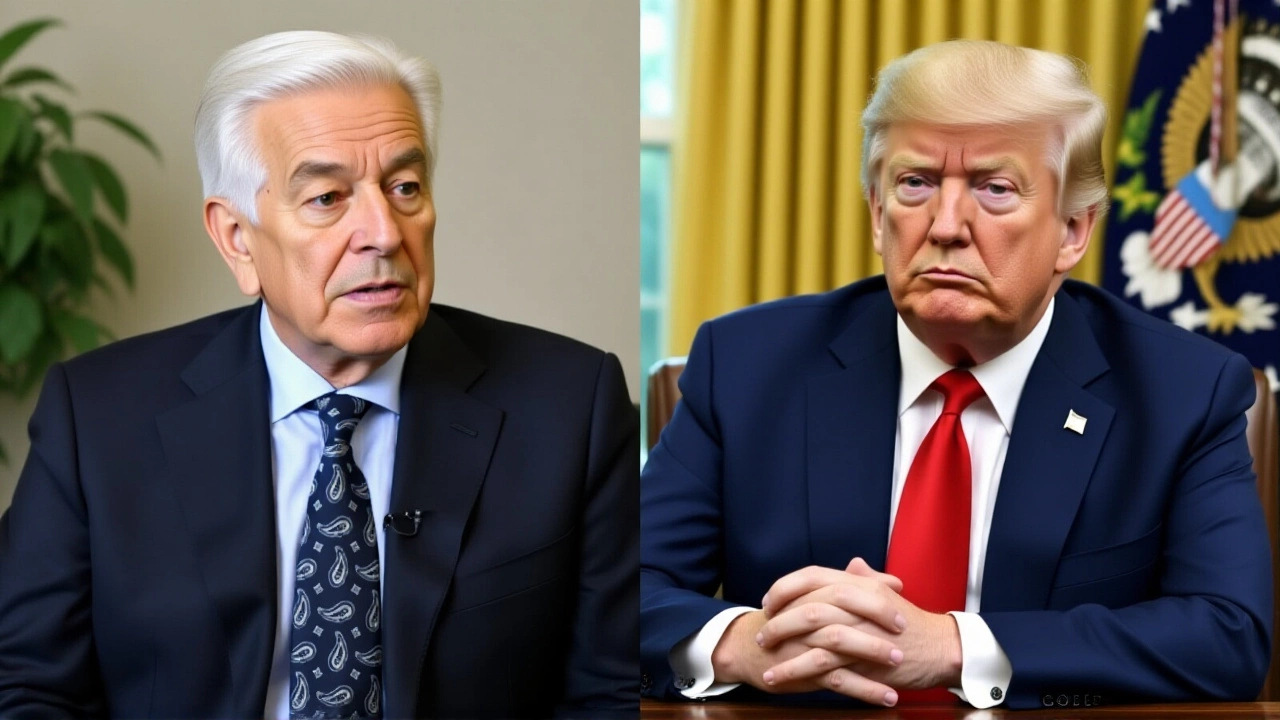
When Khawaja Asif, Defense Minister of Pakistan, publicly dismissed U.S. pressure to normalize ties with Israel, the diplomatic ripple effects were immediate. On May 26, 2026, Islamabad officially rejected a proposal from Donald Trump, President of the United States that linked Pakistan’s inclusion in an expanded Abraham Accords framework to a broader peace deal involving Iran.
The twist is that this wasn’t just a polite refusal. It was a firm ideological stand. Trump had presented the normalization of relations with Israel as a non-negotiable condition for Pakistan’s role in any future Iran-U.S. ceasefire or peace agreement. But wait—Pakistan didn’t just say no; they said it couldn’t be done. The move highlights a growing fracture between Washington’s transactional diplomacy and Islamabad’s long-standing foreign policy pillars.
The Diplomatic Ultimatum
Here’s how it unfolded: Over a conference call on Saturday, Trump spoke directly with leaders from Saudi Arabia, the UAE, Qatar, Turkey, Egypt, Jordan, Bahrain, and Pakistan. According to reports from Axios and cited by NDTV, the President urged these nations to join the Abraham Accords and formally recognize Israel. He framed this not as a suggestion, but as a "mandatory request" tied to his wider Middle East peace agenda.
Trump’s logic? If the war with Iran ends and a peace treaty is signed, he expects Muslim-majority nations to follow suit and normalize ties with Israel. He believes the original Abraham Accords—launched in 2020—have reduced regional tension and wants to expand that circle. But while some Gulf states have shown openness, Pakistan drew a hard line.
"My view is we should not participate in any accord that goes against our fundamental ideologies," Asif told reporters, as reported by Aaj Tak. "Our stance is very clear: recognizing Israel is completely impossible for us."
Why This Matters Now
Context matters here. The Abraham Accords, brokered under Trump’s first term, saw the UAE, Bahrain, Morocco, and Sudan establish diplomatic relations with Israel. Named after the patriarch revered by Judaism, Christianity, and Islam, the accords were marketed as a historic reconciliation. But for Pakistan, the issue isn’t just about diplomacy—it’s about identity.
Pakistan has never recognized Israel. Its foreign policy is deeply rooted in support for the Palestinian cause and the two-state solution. Changing that now would mean overturning decades of official stance, risking massive domestic backlash. Analyst Ankit Agrawal called the rejection a "critical geopolitical update," warning of potential "diplomatic fallout" between Islamabad and Washington.
Oddly enough, Trump tried to soften the blow by linking it to Iran. Reports suggest he positioned Pakistan’s cooperation as part of a larger bargain: help stabilize the region by joining the accords, and in return, see progress on the Iran file. But Pakistan viewed this as leverage—and rejected it outright.
Reactions Across the Region
Not all countries responded like Pakistan. While public statements from other leaders on the call remained sparse, sources indicate that UAE President Mohamed bin Zayed has consistently supported the Abraham Accords and maintains a tougher stance toward Iran. Meanwhile, Israel’s Prime Minister Benjamin Netanyahu reportedly spent nearly an hour on the phone with Trump, discussing next steps for expanding the accords and coordinating on Iran.
In contrast, Iran’s Supreme Leader Ayatollah Khamenei (referred to in some reports as "Supreme Leader Mujtaba") doubled down, rejecting U.S. demands on uranium enrichment and vowing retaliation if attacked again. Revolutionary Guards issued threats of a war Trump "couldn’t even imagine." So while Trump pushes for unity among Muslim nations, the region remains deeply divided.
What’s Next for U.S.-Pakistan Relations?
This rejection doesn’t just stall one initiative—it tests the entire foundation of U.S.-Pakistan strategic engagement. For years, Washington has sought deeper cooperation with Islamabad on counterterrorism, trade, and regional stability. But forcing a shift on Israel crosses a red line.
Experts warn that continued pressure could strain bilateral ties further. Pakistan may look closer to China or Russia for diplomatic cover, especially if it feels cornered by Western demands. At the same time, Trump’s team might recalibrate its approach, focusing instead on Gulf states more amenable to normalization.
The timeline ahead is uncertain. With no public response yet from Saudi Arabia, Turkey, or Egypt, the ball is in their court. But Pakistan’s clarity gives others room to hesitate. And without broad participation, the expanded Abraham Accords risk becoming another stalled diplomatic project.
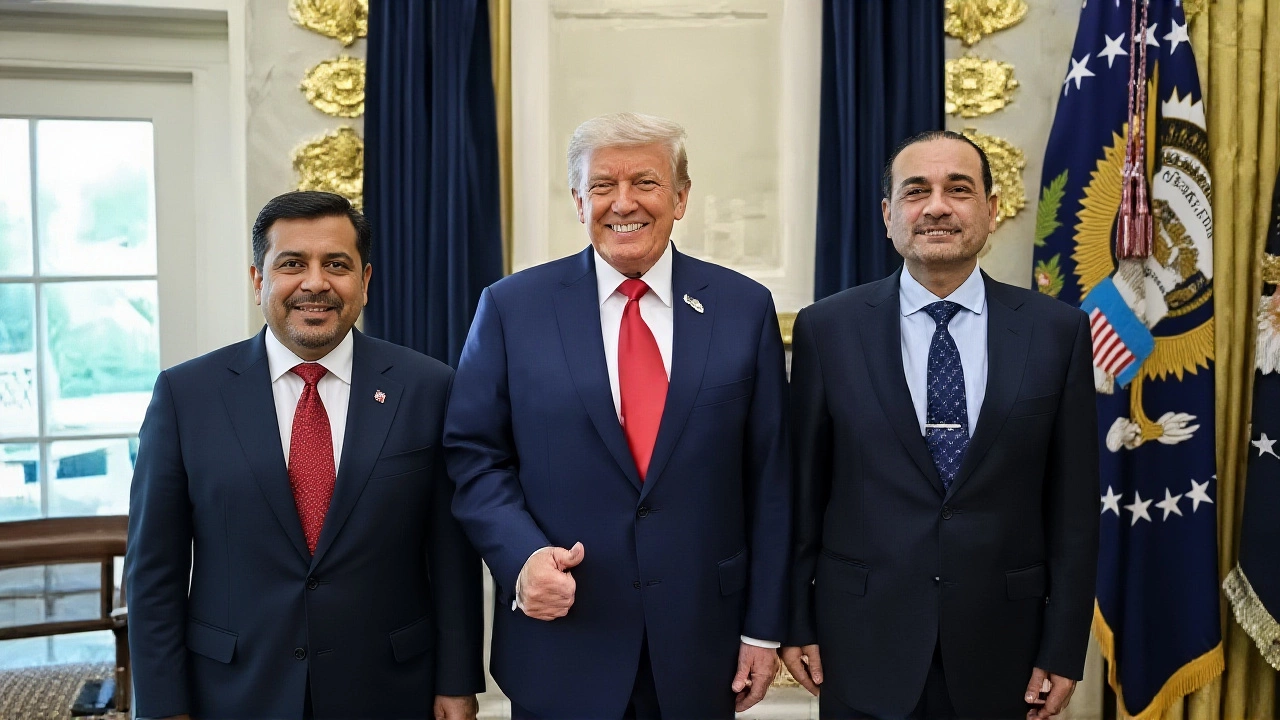
Background: The Origins of the Abraham Accords
Launched in September 2020, the Abraham Accords marked the first time several Arab nations established full diplomatic ties with Israel. The UAE and Bahrain signed first, followed by Morocco and Sudan. The goal was economic integration, security cooperation, and reducing hostility across the Middle East.
But the deals bypassed Palestine entirely—a major criticism from human rights groups and many Muslim-majority countries. For Pakistan, whose national narrative includes strong solidarity with Palestinians, joining such a framework without addressing Palestinian statehood is politically untenable.
Now, with Trump pushing for Phase Two, the question isn’t just who will join—but whether the model itself can survive without resolving the core conflict at its heart.
Frequently Asked Questions
Why did Pakistan reject the Abraham Accords proposal?
Pakistan rejected the proposal because recognizing Israel contradicts its foundational foreign policy principles, particularly its unwavering support for the Palestinian right to self-determination and the two-state solution. Defense Minister Khawaja Asif stated clearly that such recognition is "completely impossible" due to ideological and domestic political constraints.
How does this affect U.S.-Pakistan relations?
The rejection introduces new diplomatic tension between Washington and Islamabad. While both countries cooperate on security and counterterrorism, forcing Pakistan to change its stance on Israel risks alienating a key partner. Analysts warn this could push Pakistan toward stronger alliances with China or Russia if U.S. pressure continues.
Which countries are expected to join the expanded Abraham Accords?
Trump targeted Saudi Arabia, Turkey, Egypt, Jordan, Qatar, and Pakistan during his conference call. So far, only vague signals have emerged from Gulf states like the UAE, which previously joined the accords. No country besides those already members has officially committed to joining as of late May 2026.
What is the connection between Iran and the Abraham Accords?
Trump linked Pakistan’s participation in the Abraham Accords to a broader Iran-U.S. peace deal. He suggested that once hostilities with Iran end, Muslim-majority nations should normalize ties with Israel as part of regional stabilization. However, Iran has rejected U.S. nuclear demands and threatened severe retaliation, complicating any near-term resolution.
Can Pakistan ever recognize Israel in the future?
It’s highly unlikely in the foreseeable future. Recognition of Israel remains a taboo topic in Pakistani politics, tied closely to public sentiment and Islamic solidarity with Palestinians. Any government attempting to reverse this position would face intense opposition from religious parties, civil society, and the military establishment.